
The Power of Children’s Books About Kindness

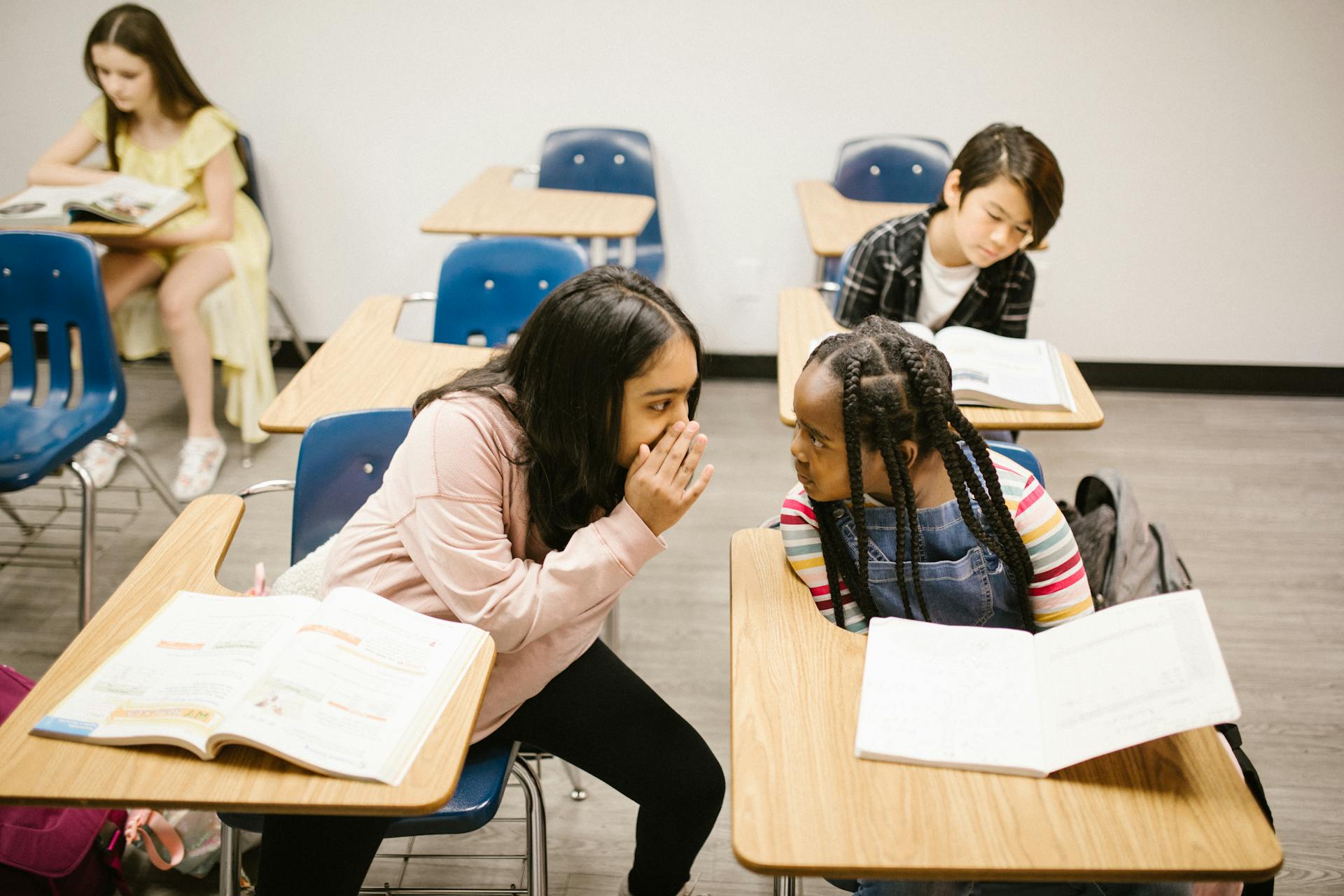
Stories shape children in ways we often underestimate. Children’s books about kindness offer young readers a reflection of their emotions and a guide on how to treat others with kindness and gentleness.
Kids need to see kindness modelled. When a beloved character shares, forgives, or helps a friend, the lesson becomes memorable. They carry that behaviour into real-life situations naturally.
Kindness taught early creates lifelong habits. Reading together allows children to practice empathy, gratitude, and patience in safe, engaging ways that feel more like play than formal teaching.
That’s the beauty of children’s books about kindness: they take big, complex emotions and turn them into colourful, simple stories that kids understand and remember far better than lectures.
Why Kindness Must Be Taught Early
Children are constantly learning how to act in the world. If kindness is emphasised early, it becomes part of their character rather than something learned much later.
Parents and teachers often notice that children who read children’s books about kindness respond better to challenges. They are quicker to share, apologise, and comfort friends after difficult moments.
Stories offer repetition that life rarely provides. Reading about kindness again and again helps it stick. The values soon move from storybook pages into the child’s everyday actions.
With the right stories, families help raise empathetic children who see kindness not as an option but as the natural way to interact with others in every circumstance.
How Rhyming Books Make Lessons Stick
Rhyme has a natural rhythm that makes stories unforgettable. When kindness is wrapped in rhyme, children enjoy the sound, anticipate words, and remember the lesson more deeply.
That is why rhyming picture books work so well. Children repeat the lines later, applying them at school, during playdates, or in moments of frustration with siblings or friends.
The music of rhyme encourages engagement. Even reluctant readers find themselves drawn into the pattern. With that engagement, the message of kindness lands firmly without feeling forced.
Through rhyme, children’s books about kindness become playful teachers, gently guiding young readers to understand empathy, gratitude, and patience while they enjoy the joy of storytelling itself.
Dianne Wright’s Joyful Approach
Dianne Rigby Wright brings warmth and wisdom into her writing. Her stories teach kindness, gratitude, and emotional resilience in ways that children can immediately grasp and enjoy.
Her A–Z adventure shows how every letter can become a doorway to kindness. Kids meet delightful characters who gently demonstrate patience, calmness, and empathy through colourful, joyful rhymes.
What makes her books special is how naturally lessons flow. Children don’t feel they are being lectured. Instead, they laugh, learn, and carry the positive message forward effortlessly.
Dianne’s vision is clear: give children tools for emotional strength. Her children’s books about kindness help families nurture values that last long after story time is over.
Reading Together Creates Lasting Bonds
Story time is not just about reading it’s about connecting. When parents and children share children’s books about kindness, they create rituals that strengthen trust and communication.
The rhythm of rhymes calms children, opening space for meaningful conversations. It becomes easier to talk about feelings, mistakes, and ways to handle challenges in healthy, kind ways.
Grandparents and caregivers especially love these books. Rhymes provide a simple, joyful way to connect across generations, even when visits are rare or conversations happen through video calls.
Shared reading builds memories. Over time, those lessons of kindness become part of family life, repeated in moments of play, chores, and even in times of conflict resolution.
What Kids Learn Between the Lines
Children often learn as much from characters’ actions as from spoken lines. A character who apologises or forgives shows children how to navigate emotions with empathy and strength.
Repeated exposure matters. Reading children’s books about kindness often helps children internalise lessons. Kindness gradually becomes instinctive, guiding how they respond to friends, classmates, and even family members.
Stories create safe practice spaces. Kids can explore what kindness looks like without fear of making mistakes. By seeing characters succeed, they feel more confident to try kindness themselves.
With each new book, children expand their emotional toolkit. They learn patience, gratitude, compassion, and problem-solving all through joyful rhymes and memorable characters that stay with them.
Choosing the Right Stories
Not every book teaches effectively. Parents should look for smooth rhymes, colourful illustrations, and meaningful lessons that children can apply easily in real-life situations.
Children’s books about kindness should feel joyful, not forced. The language should be gentle, the message clear, and the story engaging enough to invite rereads night after night.
Books like Dianne Wright’s A–Z adventure excel because they blend fun with purpose. The lessons come alive through rhythm, rhyme, and lovable characters who model emotional resilience beautifully.
Choosing the right stories means giving your child tools. These books do more than entertain; they prepare young readers for a lifetime of kindness, gratitude, and emotional confidence.
Final Note
Kindness is the seed for empathy and community. When taught through story, it grows strong roots. That is the power of children’s books about kindness in young lives.
Dianne Wright’s work reminds us that kindness is not complicated. It begins with small actions, sharing, thanking, comforting, that ripple outward and shape the future in gentle ways.
For families and classrooms, adding these books to daily routines means more than stories. It means giving children a language of kindness they will carry into adulthood.
The gift of kindness is timeless. Through stories, we hand children the tools they need to build a world that is gentler, more grateful, and beautifully connected.